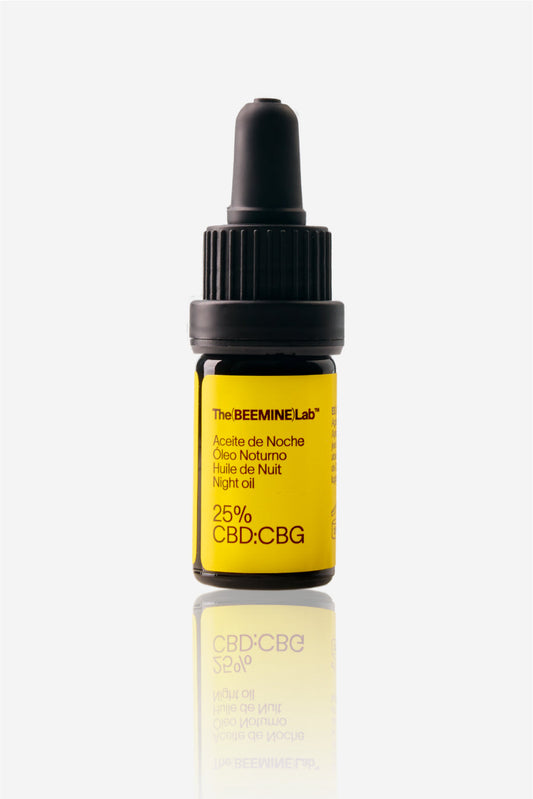

Rosehip oil is one of the most prized oils in the world of wellness and self-care. Its characteristic soft texture, delicate aroma, and versatility make it a popular choice for nighttime routines or for times when the skin needs extra attention. More than just a cosmetic ingredient, rosehip oil has become a symbol of pausing: an invitation to slow down, connect with your skin, and end the day with a ritual.
warm.
What exactly is rosehip?
Rosehip oil comes from the fruit of a wild shrub, from which seeds rich in natural oils are extracted. The result is a light, nourishing oil that is very easy to apply. It absorbs quickly without leaving a greasy residue, making it suitable for use on the face, neck, or areas where the skin feels drier. Its presence in daily skincare is no coincidence: it combines simplicity, sensory effectiveness, and a texture that invites massage.
Why is it used so commonly?
Rosehip oil is especially popular in nighttime routines. Many people apply it before bed as the last step in their skincare routine, taking advantage of its ability to leave skin feeling soft and comfortable. It's also used after showering, when the body feels more receptive and the skin needs extra nourishment. With seasonal changes, in dry environments, or after long days, it can become a comforting gesture.
How to know when to incorporate it
There are signs that appear on the skin that indicate a rosehip oil ritual can be especially pleasant: tightness after showering, dryness on cheeks or hands, a feeling of dullness, or simply a desire for a moment of relaxation. It's not about looking for a problem to solve, but about heeding the skin's signals when it's asking for softness and a nourishing touch.
How to support its use from a wellness perspective
Applying rosehip oil can be a very simple ritual: place a few drops between your hands, warm the oil slightly and distribute it with slow movements over your face or body.
Many people give themselves light massages on their temples, jaw, and neck to release the tension accumulated throughout the day. Others incorporate it into a self-massage of their hands or arms while practicing deep breathing. Its gentle nature makes each application an intimate and enjoyable moment.
Simple routines to enhance its effect
Rosehip oil works especially well in nighttime routines, when the skin is more receptive. It can be combined with warm showers, slow breathing, or gentle stretching. On cold days or days spent working in front of screens, it can be applied to the neck and shoulders to provide a feeling of comfort that accompanies the relaxation. The important thing is not the amount, but consistency and being mindful of the application.
Conclusion
Rosehip oil is much more than just an oil: it's an invitation to take care of yourself. To pause for a moment, listen to your skin, and treat yourself to a gentle gesture amidst the hectic pace of the day. A classic of wellness that remains popular thanks to its texture, natural ingredients, and ability to transform an everyday moment into a sensory ritual.